Welcome to Climanosco's newsletter!


This month: what happened when seven people sat together at our Urban Climate Circles workshop in Geneva, your invitation to the next workshop in Zurich on 5 November, and a newly published article asking whether the Gulf Stream system is already slowing down.


Urban Climate Circle in Geneva, 1 October 2026

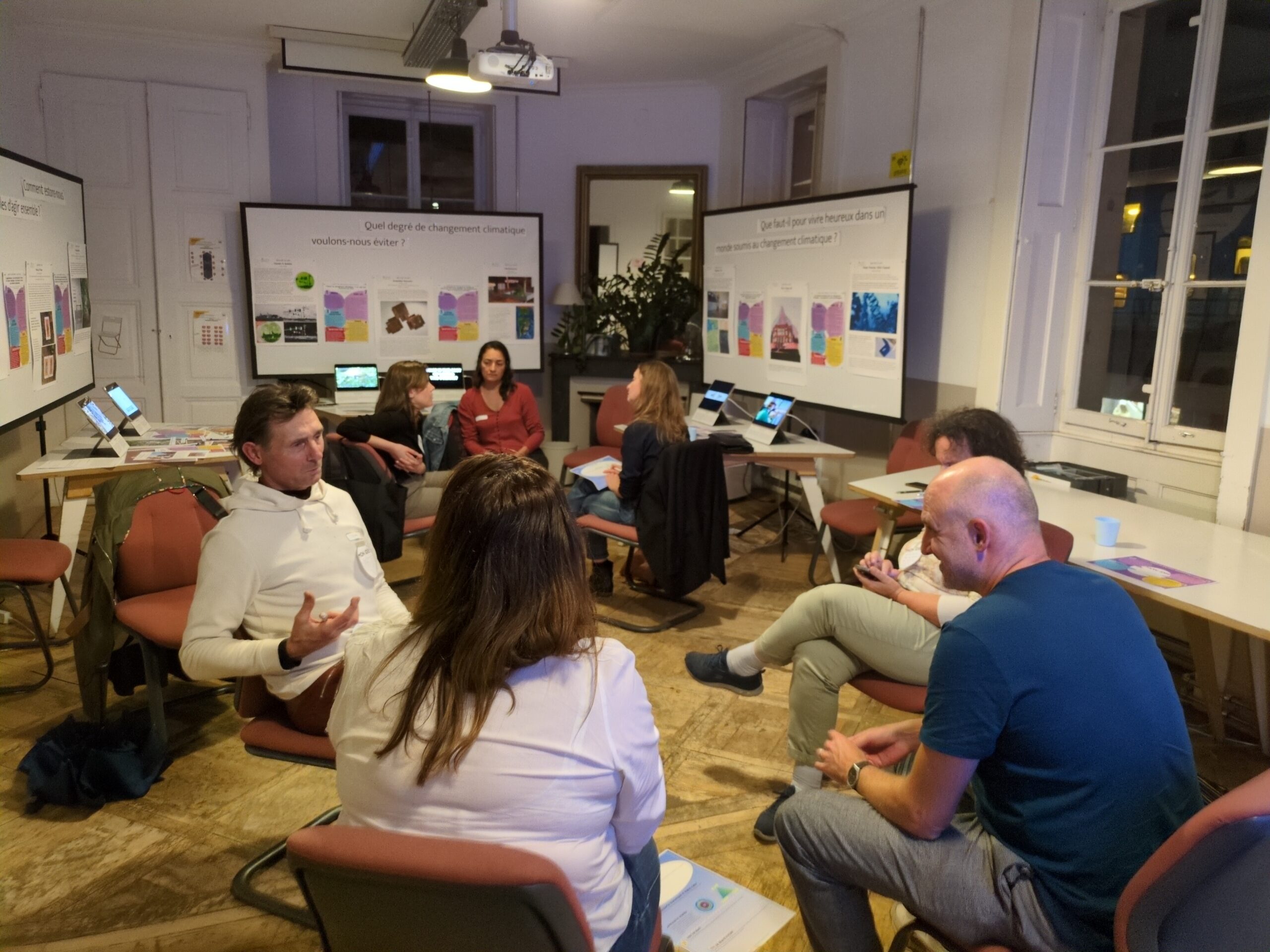
Seven people, one evening — Geneva, 1 October

On 1 October, seven people who had never met gathered at La Maison de l'Avenir in Geneva for our Urban Climate Circles workshop — an evening of climate art and science, creative steps, and an apéro in the middle.


Two ideas were born that evening. “Climate Carbon-Free Game” — a playful app that nudges its users to try new behaviours and, little by little, change their habits. And “Living Building” — a vision for building or converting housing with the community at its centre: shared spaces, vegetable gardens, non-toxic materials, and lower costs for everyone.


Evenings like this one remind us of something we often forget: that creativity, curiosity, and collaboration are powerful tools for climate action.

Next up: Zurich, 5 November

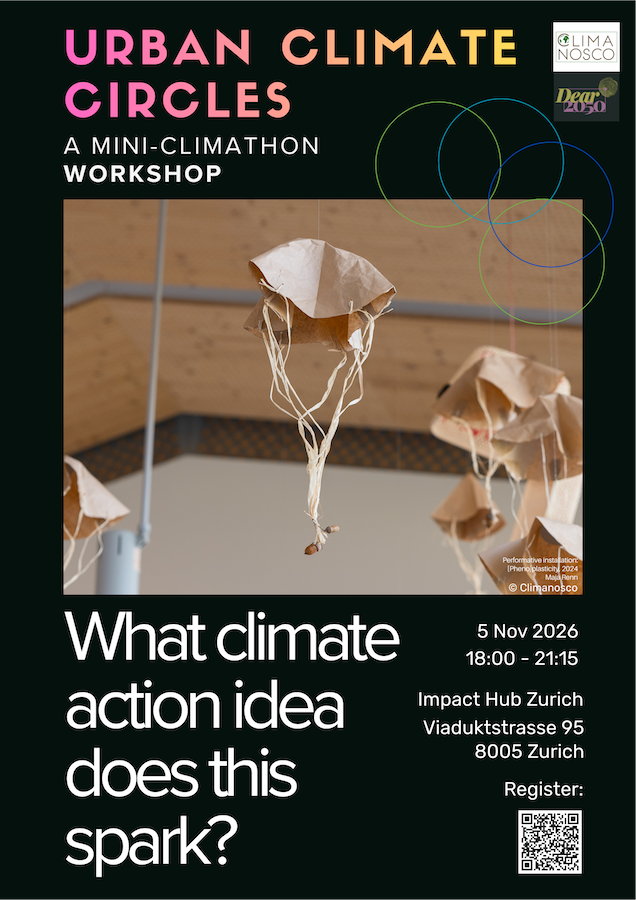
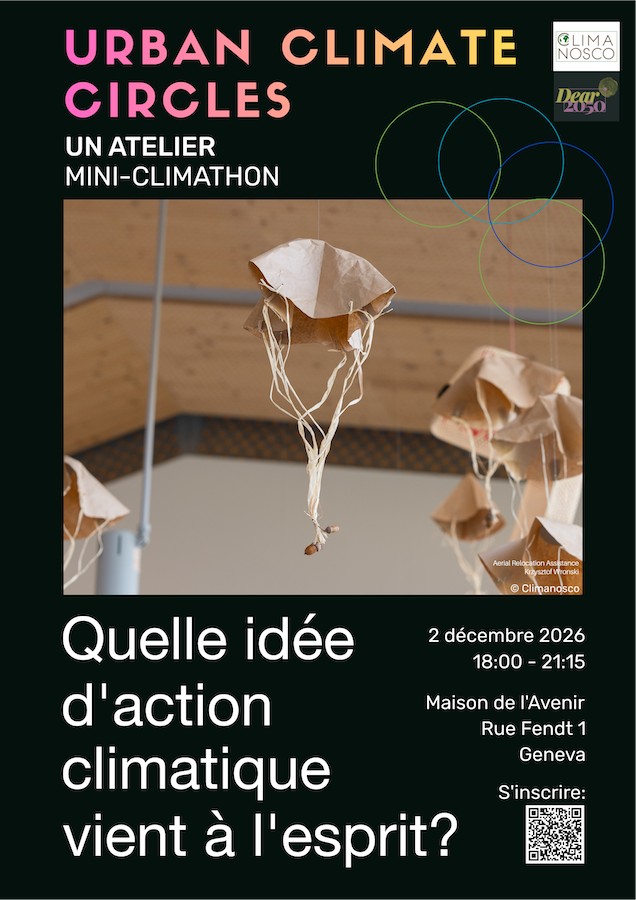
Meet people who share your aspirations and develop your own idea for climate action. Free, about 10 participants, no prior experience required — just curiosity.


In Zurich on 5 November 2026, 18:00 - 21:15, in English. Register here

In Geneva on 2 December 2026, 18:00 - 21:15, in French. Register here

None of these work for you? Sign up here to be the first informed of the next workshops.

Urban Climate Circles - Zurich, 5 November 2026 Urban Climate Circles - Geneva, 2 December 2026


New in Climanosco Research Articles

Is the Gulf Stream system already slowing down?


The Gulf Stream system carries warm water north across the Atlantic and influences the climate of Europe and beyond. Climate models predict it will weaken as the planet warms — but direct measurements only began in 2004, too recently to reveal a long-term trend.


In our newly published article, “Reconstructing the evolution of the Gulf Stream system”, Levke Caesar (Potsdam Institute for Climate Impact Research) shows how sea surface temperatures reaching back to 1870 — including the telltale “cold blob” south of Greenland — can be used to read the current's strength over time. The reconstruction suggests the system is now about 15% weaker than in the first half of the 20th century, and weaker than at any point in the past 1,600 years — with possible consequences ranging from sea-level rise on the US East Coast to storms and drought patterns on both sides of the Atlantic.


Like every Climanosco article, it was peer-reviewed by scientists and non-scientists together — and written to be read by anyone.


Most read this month


We would love to see you in Zurich on 5 November — or in Geneva on 2 December.


For your Climanosco team,

Michel